Tackling inequalities is the key to pandemic response, according to new research presented at AIDS2026
Global Council study shows that inequalities within countries are the strongest predictor of pandemic response outcomes, and that tackling those inequalities is critical for responses to AIDS, COVID-19, Ebola and other diseases, and also reducing vulnerability to future pandemic threats

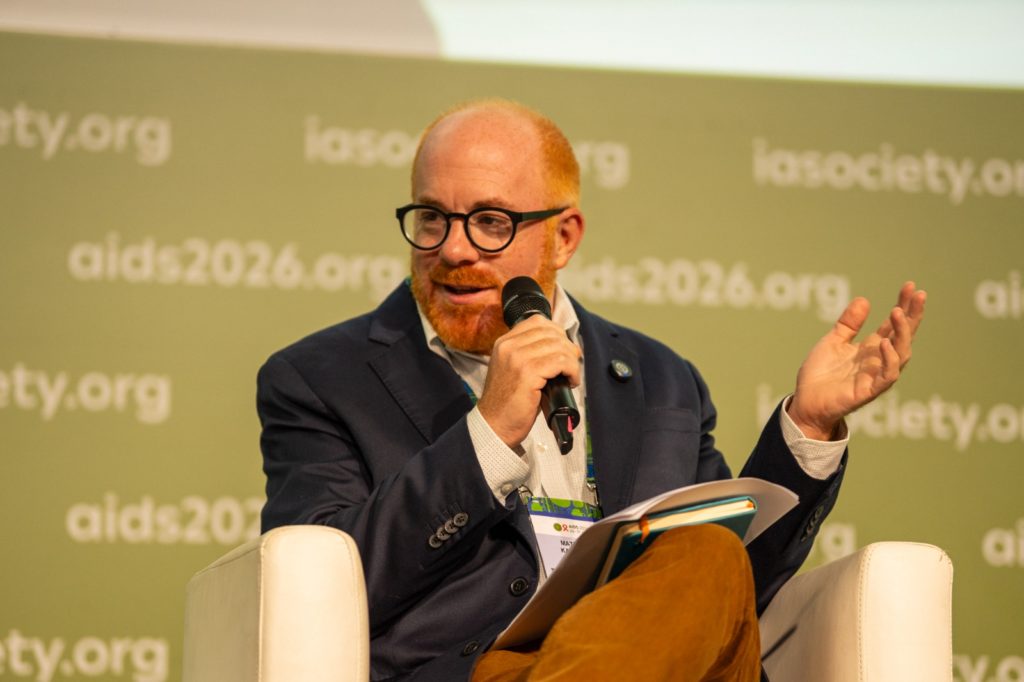
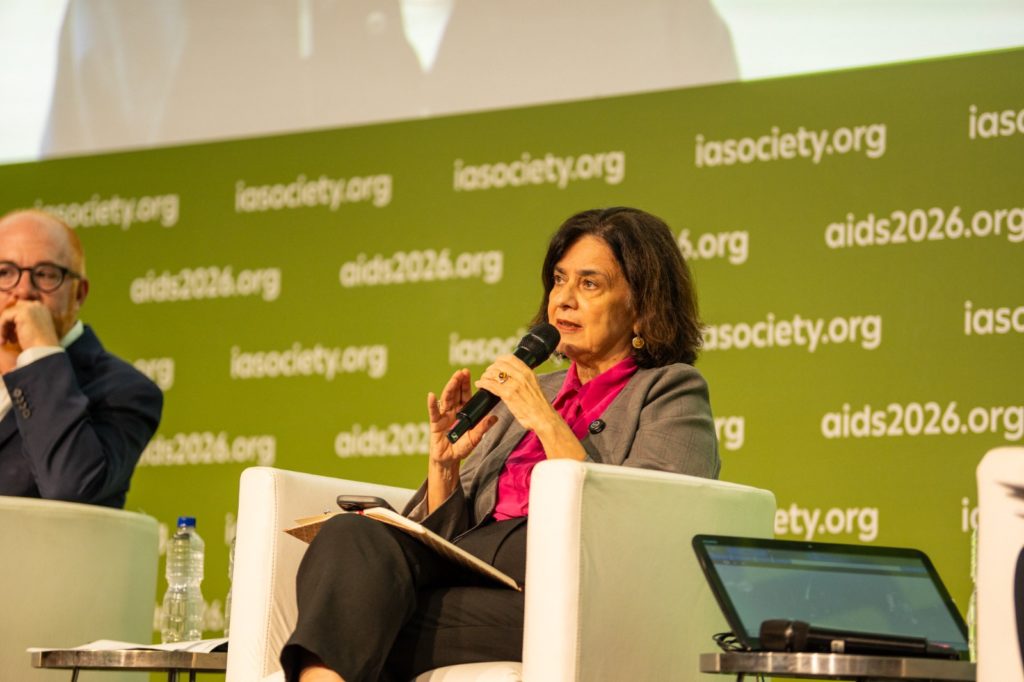
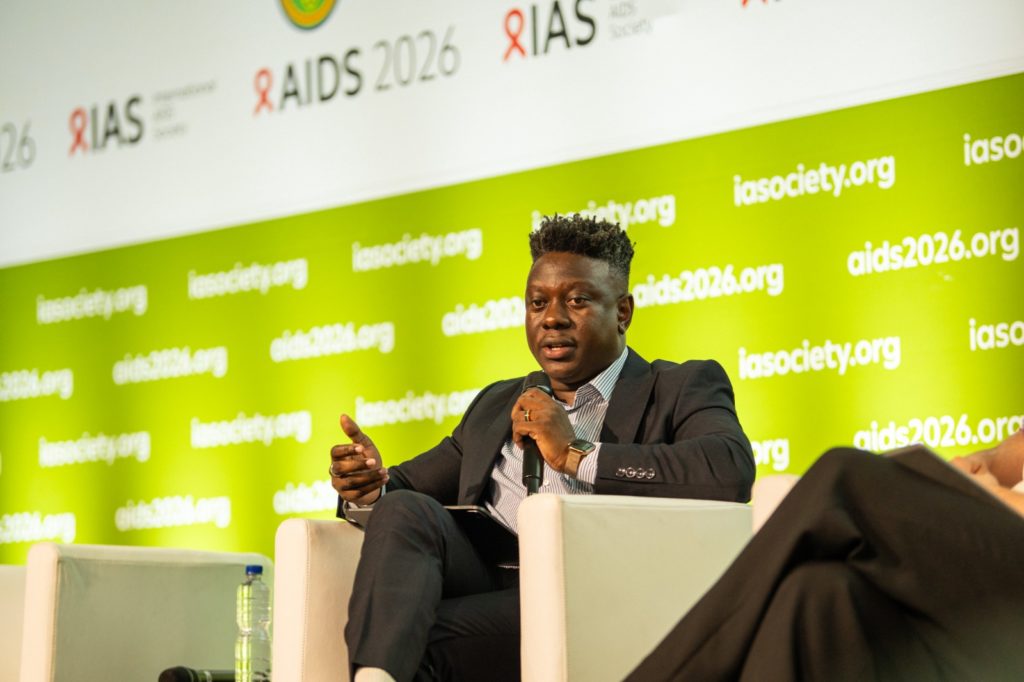
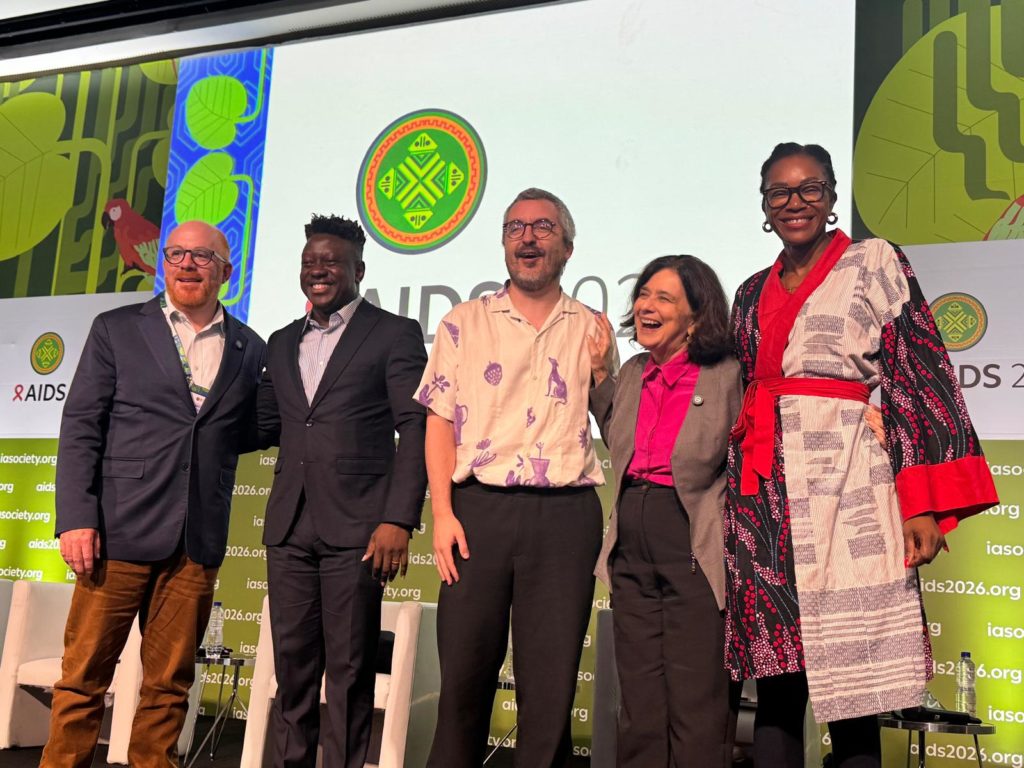
Entrenched economic inequalities are undermining efforts to end the AIDS and COVID-19 pandemics, respond to Ebola and other new disease outbreaks and prepare the world for future pandemics, according to a new study presented at the 26th International AIDS Conference.
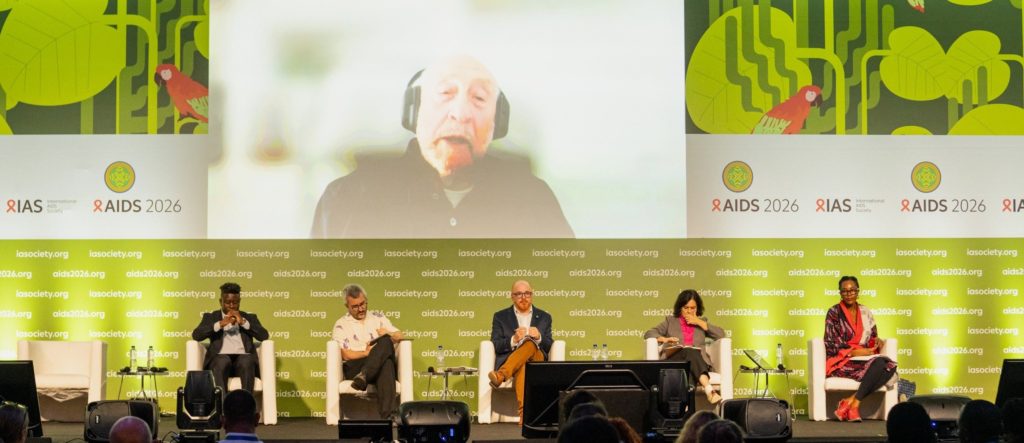
Five members of the Global Council on Inequality, AIDS and Pandemics shared new analyses at the AIDS2026 Conference in Rio de Janeiro, Brazil, showing that economic inequality, not conventional preparedness, has been the clearest predictor of how countries fared against pandemics, upending traditional assumptions about what actions governments need to take for health security.
The Council has published its analysis in the New England Journal of Medicine. The full background data analysis is available on the Council website.
Nobel Prize-winning economist and Council Co-Chair Joseph E. Stiglitz noted that income and wealth have become steadily more concentrated within most countries since the early 1980s, when HIV was first identified. Today, 83% of all countries meet or exceed the World Bank’s definition of “high inequality”.
“In the last 40 years the gap between the wealthiest and the average person has grown dramatically—side by side with the AIDS pandemic,” Prof Stiglitz asked the AIDS2026 audience. “When power is concentrated in a tiny few at the top, they effectively resist policies that hurt their bottom line, even when that slows the response and lets viruses spread. And where inequality drives underinvestment in public goods, it weakens our ability to respond.”
“That should force us to rethink health security. It is not only about hospital beds, laboratories, surveillance systems and emergency stockpiles,” Stiglitz said. “That is why the Global Council is calling for what we call ‘inequality-informed pandemic preparedness’.”
The Nobel laureate’s appeal was met by thunderous applause from the AIDS activists and experts gathered at the conference.
The Council’s research has revealed an Inequality–Pandemic Cycle: inequality is making pandemics more disruptive, deadly, and longer; and pandemics, in turn, have an outsized impact on the vulnerable and marginalized, which increases inequality.
“Inequality shapes who is exposed to disease who can protect themselves and who can access medicines and whose lives are treated as urgent,” moderator Muleya Mwananyanda, UNAIDS Director of Communications and Influencing told the audience. “It also weakens trust, limits the ability for countries to respond and determines whether scientific breakthroughs reach everyone or only those who can afford them.”
Council member Matthew Kavanagh, the incoming Chair of the Department of Global Health and Director of the Center for Global Health Policy & Politics at Georgetown University, noted that the United States and United Kingdom have topped official health security indexes, but the research findings show no association between these traditional understandings of pandemic preparedness and success in the real world. Inequality, on the other hand, is the clearest predictor of how a country fares when a pandemic strikes, with more unequal countries less successfully responding than their more equitable peers.
“Inequality within countries creates the conditions that viruses spread more easily, that pandemics last longer, and that their human and economic costs mount,” Kavanagh told the audience. “No one is arguing that laboratories are not essential. No one is arguing that health workers are not fundamental to the response. They are necessary, but clearly they’re not sufficient. And so what we need is a new pandemic-informed vision of pandemic preparedness.”
The Council has identified several key drivers of the Inequality-Pandemic Cycle. Council member Nisia Trindade, a senior researcher at Fiocruz and former Health Minister of Brazil, noted that unequal access to health technologies puts developing countries at a severe disadvantage when pandemics emerge, and that international patent regimes are limiting efforts to build the broad research, development and manufacturing capacity that would allow rapid production and distribution of new vaccines and medicines during a pandemic crisis.
“If you have scientific technological development without the process of considering the impact of inequalities, the inequalities increase a lot. This is what happened with HIV/AIDS, COVID-19 and so on,” Trindade said. “Science gives us results like vaccines. But if we do not focus on the problem of inequality, we have innovation without access.”
Council member Javier Padilla Bernáldez, Spain’s Secretary of State for Health, noted that the Council’s research has identified “social determinants of pandemics”— the conditions in which people are born, grow, live, work and age—that are critical to achieving inequality-informed pandemic preparedness. He highlighted several particularly important determinants for successful pandemic responses: social protection that ensures individuals’ economic survival and universal access health services.
“Once pandemics arrive into a society, people need a guarantee that they are going to survive even if they cannot go to work,” Padilla said. “We should be taking a look at universal public services, especially universal health coverage. We still have in many countries population groups that are not provided health coverage.”
Council member and human rights activist Richard Lusimbo emphasized how inequality undermines public trust in institutions, and that public trust in institutions is critical during societal crises like pandemics. He noted that the global AIDS response has shown how engaging the communities most affected during disease outbreaks and pandemics as co-leaders of disease responses is critical, reaching them with essential services and building and maintaining trust.
“Communities operate precisely in those spaces where formal systems are weakest. During the AIDS response, we have seen that community-led organizations have built trust, identified missing populations, supported treatment, and challenged harmful laws, demonstrating their crucial role in effective response. The same lessons apply to Ebola, Mpox, COVID, and the future outbreaks,” Lusimbo said. “Laboratories may detect a pathogen, but communities detect fear, misinformation, stigma and resistance. A government may issue public health guidance, but communities translate that guidance into language and action that people understand. A health system may provide treatment, but communities help people reach it safely.”
Stiglitz also addressed the financing inequalities that are undermining global pandemic preparedness, prevention, and responses, including the global AIDS response. Global development aid fell by over 23% last year — the largest drop ever recorded. In Sub-Saharan Africa, until recently, two-thirds of HIV funding came from external sources. The shock of the aid cuts has been enormous, and the ability of low- and middle-income countries to close the gap has been hampered by the global debt crisis.
More than half of low-income countries are either in debt distress or at high risk of it. This is a situation that was worsened when all countries needed to borrow to keep their economies afloat during COVID-19 lockdowns. Low-income countries received far less, and they were often forced to borrow at higher interest rates. Debt repayments now increasingly crowd out spending on health, education, social protection and pandemic preparedness.
“We can do better,” Stiglitz said. “Together with comprehensive debt restructuring, changes in the global financial architecture could address the AIDS funding crisis and let countries invest against future pandemics.”
The Council has developed a comprehensive set of recommendations to address the drivers of the Inequality-Pandemic Cycle.
- Remove debt and other financing barriers that disable some countries’ capacity to respond to pandemics.
- Address the social determinants that create vulnerability to pandemics.
- During pandemics, ensure that new medicines and technologies are treated as global public goods by rapidly expanding regional production and automatically waiving trade rules when a pandemic is declared.
- Build greater trust, equality, and efficiency in pandemic response by building responses that include multiple sectors, ministries, and community-led pandemic infrastructure.
“These are not unreasonable ideas,” Kavanagh said. “This is not, ‘Let us wait and hope for someday when we have a fundamentally just world.’ These are concrete things that could be part of pandemic preparedness now. They would help us fight the AIDS pandemic. They would help us prepare for the pandemics to come, and yet they’re not happening.”